
TrueDark Glasses Review: How Blue Light Filter Glasses Changed My Evenings and Sleep
One evening, hour by hour – once without and once with the red-tinted TrueDark blue light filter glasses. An honest account, including the three things that bug me.
Advertisement — I may earn a commission if you buy through links here; this is still my honest experience.
 By Sarah Lindqvist ·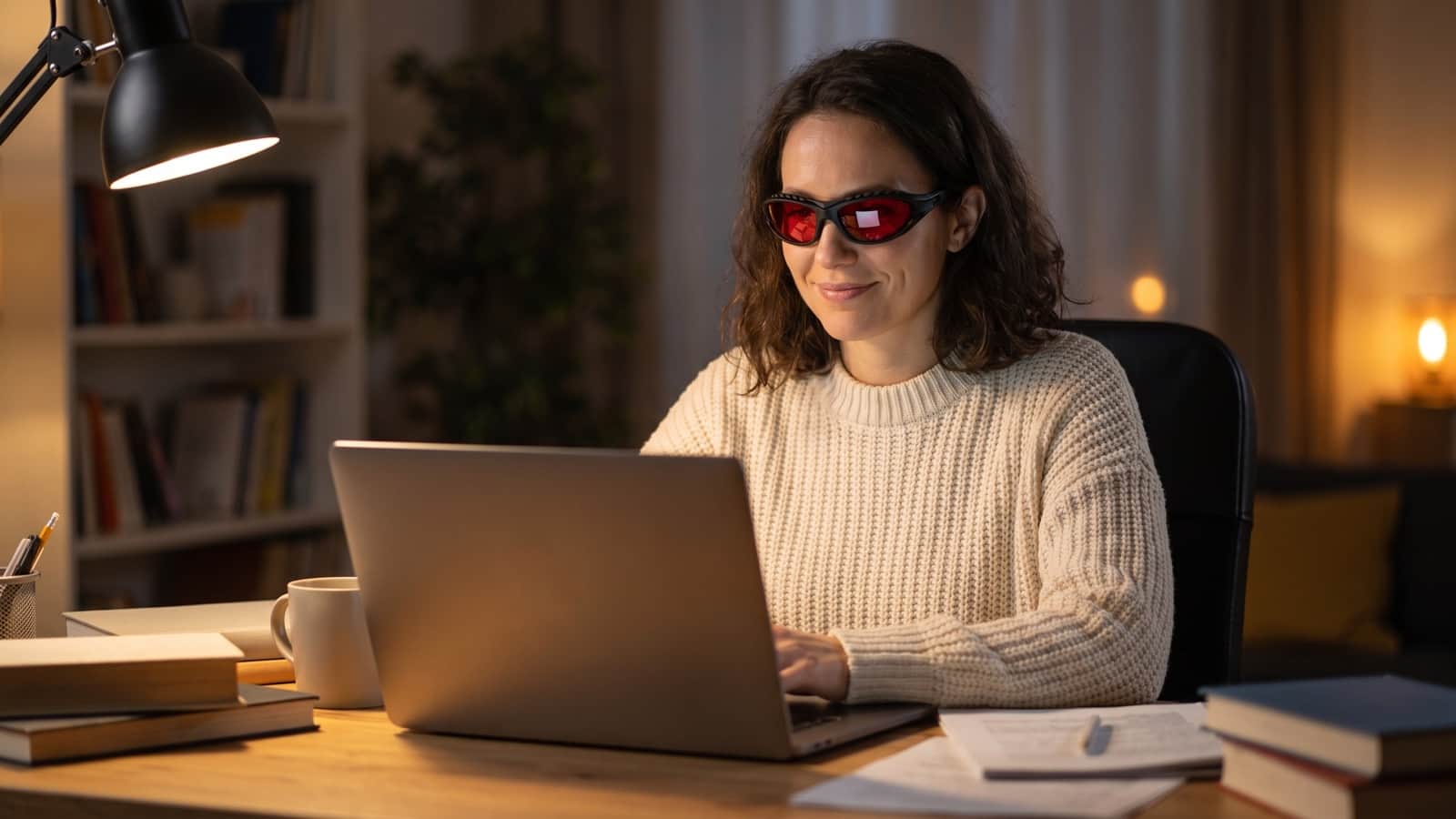
It's just past one, and I'm awake. Not half awake, not drowsy – awake the way you are at eleven in the morning. The radiator in my Munich flat ticks, a car goes past every few minutes, and my head is busy sorting things that could easily wait until Thursday. I know this moment so well that I can tell, the second I open my eyes, exactly how the rest of the night will go.
If that sounds familiar – eyes that sting after a long day of screens, a dull pulse at the temples, and then that wide-awake hour anyway – it's where I was a good two months ago. At some point I stopped thinking about my sleep and started thinking about the four or five hours before it.
Quick answer first, if that's all you need: blue light glasses filter out part of the blue and green light from screens. They don't cure anything and don't replace a doctor. What the deeply red-tinted evening TrueDark pair did for me was mostly one thing – it gave my evening a full stop. The clearest way to tell it is as a timetable. First the old evening, then the same evening with the glasses in it.
The old evening, hour by hour
9pm: just finishing the edits
The monitor had been on since mid-morning by then. In the evening came the last layout corrections on the laptop, because that always feels manageable: small, contained, twenty minutes tops. It was never twenty minutes.
By half nine I noticed it in my eyes first. Dry, a gritty feeling when I blinked, plus a faint pulse at the temples that was never strong enough to do anything about and never faint enough to forget.
10:30pm: the hour that was supposed to be the wind-down
That hour was the actual problem. Laptop shut, phone open. And because I'd noticed it myself, I spent months trying four different things to rescue exactly that hour.
- Phone night mode: nice, but I still scrolled till midnight. Software changes the colour, not the habit.
- Expensive eye drops: helped the sting, did nothing for the racing mind.
- Just put it down earlier: pure willpower, lasted about three nights.
- A cheap clear-lens pair from a marketplace: zero difference, because the filter was barely there.
At some point I was ready to drop the whole thing. Maybe I'm just a bad sleeper, I thought – the way you do when nothing helps.
11:45pm: lights out, head on
In the dark I was tired but not sleepy. That's a difference you only understand after months of confusing the two. The body was lying there, the mind was doing laps, and I'd reach for the phone again out of pure helplessness. What bothered me most wasn't the tiredness – it was the sense that my evening didn't belong to me any more. It belonged to the screen.
1am: wide awake, for no reason
And then the moment I started with. Not every night, but often enough that I'd started budgeting for it. The morning after reliably began with the quiet feeling that I'd already lost before anything had begun.
Interlude: a friend, a red tint, 90 euros
Early in the year a friend who works shifts mentioned, almost in passing, that she wears a deeply red-orange tinted pair at night – not a fashionable clear lens. The idea: bright, cool light in the evening signals daytime to the body. A strong tint dims exactly that part of the spectrum.
In hindsight that explained why my clear lenses did nothing. A barely visible filter barely filters. That's how I found the TrueDark glasses – the evening pair, the Twilights, is intentionally deeply red-tinted, not an accessory for the office.
I ordered them for around 90 euros. When they arrived in a slim black case, I swallowed hard at the price – for a tinted pair of glasses, that's not cheap. From then on, the same evening ran differently.
The same hours, with the glasses on
9pm: the glasses go on
I put them on two to three hours before bed, whenever I'm still at the screen in the evening. The first time, the tint was a small shock: the whole flat suddenly looks like it's lit by a campfire. White walls turn warm orange, the laptop screen looks like it's sitting behind amber.
The frame is lighter than I expected – black plastic that presses a little behind the ears after a couple of hours, but nothing worse than that. I still do the edits. I just do them in orange now.
10:30pm: same hour, different pull
In the first week the clearest effect was a fairly unglamorous one: the screen felt less harsh and my eyes barely stung in the evening. Whether I was falling asleep faster, I honestly couldn't say yet.
After a week or two something else shifted – not the lens, the sequence. The glasses became my cue: putting them on meant the day was nearly over. I set the phone down earlier, almost on autopilot, without the usual internal argument.
The glasses didn't fix my sleep – they gave me my evening back.
11:30pm: lights out, no negotiation
One evening a few weeks in, I read a book with the tinted glasses on instead of scrolling. At some point I put it down because I was genuinely tired – not drained, but sleepy. Exactly the difference I'd spent months mixing up.
1am: nothing
I remember that next morning because the usual 1am wakefulness simply didn't show up. No miracle, no revelation. Just quiet. That's my subjective impression, not a measurement – but a good two months on, it's become the normal case rather than the exception.
I do have to stay honest, though: on nights when I was stressed or worked late, I lay awake with the glasses exactly as I had without them. They're a tool, not a switch. My evening headaches have got noticeably rarer – subjective too, but I feel the difference every couple of days.
What genuinely annoys me about them
First, the tint. It makes colours useless at night. I can't watch a film in these – everything is washed red-orange, skin tones look strange, and there's no point sorting photos. If I want to watch a series in the evening, I have to take them off, and the cool screen light is right back.
Second, you actually have to wear them. On nights I skipped them 'just this once', the old state came straight back. One or two forgotten evenings and the effect is gone. If you won't commit to putting them on every single night, you'll be disappointed.
And third, the price. For what is, in the end, a well-tinted pair of glasses, it's high – there are clear-lens models for a fraction. For me the noticeably stronger tint was worth the difference, but I understand anyone who hesitates.
Which also makes it clear who they're not for. If you want a stylish, barely tinted pair for the office, the evening TrueDark is too dark – it's built for the sofa, not a meeting. If you still want to watch films or edit photos at night, you'll be taking them off constantly. And if you expect a guarantee of better sleep, any pair will let you down. Sleep problems can have many causes; ongoing issues belong with a doctor, not papered over with a pair of glasses.
What's left after two months of evenings like this
Laying the two timetables side by side, the difference isn't the night – it's the hours before it. My evening has a beginning and an end again. Would I buy the TrueDark glasses a second time? In my case, yes. Not because of magic, but because of the sequence they set off.
If you recognise yourself in that wide-awake-at-1am, and the price doesn't put you off, the red-tinted Twilights pair is worth an honest try. Take your time to check what they cost right now and how returns work – and expect the first few evenings to look mostly just strangely orange.
Frequently asked questions about the TrueDark glasses and sleep
How do blue light filter glasses actually work?
The way I understand it, the tinted lenses block part of the blue and green light that screens and LEDs give off in the evening. That light can slow down your melatonin, and in my experience falling asleep feels easier when I wear them two to three hours before bed. It's not a medicine, more like switching the mood of the room.
What time do you put them on, and how long did it take before you noticed a difference?
I put them on around 9pm, so the last two to three hours before bed, whenever I'm still on the laptop. The eye burning eased within the first few evenings. The sleep side took about one to two weeks for me – and honestly, the biggest effect only came once putting them on had become a fixed part of the evening.
Can you watch TV or edit photos in the red-tinted pair?
No, that's the clearest downside. The tint is so strong that colours become useless at night. For a film or sorting photos I have to take them off. The Twilights are deliberately built for winding down before bed, not for a night in front of a series.
Isn't a tinted pair of glasses like this quite expensive?
Yes, I think so too. There are clear-lens pairs for a fraction of that, and I swallowed hard when I bought them. For me the extra cost paid off because the tint is noticeably stronger than the budget models, which did nothing for me. But it's not a bargain.
Are they safe, or are there any downsides?
For me they feel like a completely normal tinted pair of glasses – I've worn them almost every night for weeks with no problems. The honest downside is the strong tint that turns everything reddish at night, and the fact that they're not a miracle fix. If headaches or sleep problems persist, get them checked by a doctor rather than just reaching for glasses.
Who are the TrueDark glasses for – and who not?
They made sense for me because I sit at a screen late, struggle to switch off, and often got headaches from my monitor. If you recognise yourself in that, the same is probably true for you. They're not for you if you want a discreet office pair, still watch films at night, or expect a guarantee of better sleep.
Where do I get them, and which model should I start with?
You can get them directly from TrueDark. I'd start with the one evening model and give it a few weeks to see whether it fits your evenings before spending more.
Reader experiences
CommentLena F. · May 2026
The red tint does look unusual and you can't watch films in them. But for a few weeks now I really do fall asleep faster when I wear them in the evening.
Tobias N. · April 2026
For the price I expected more. They help me with the pressure behind my eyes after long screen days – but not much beyond that.
You might also like

AG1 Review: What I Actually Got for the Money
About 99 euros a month for green powder – that was exactly why I said no for years. My honest AG1 review after six weeks: what I dropped to pay for it, what changed, and what the cup really costs per morning.

Epigenics Review: What I Can Honestly Credit the Capsules For – and What I Can't
An honest Epigenics review that starts with an admission: I changed four things at once. What shifted over three months – and what I still refuse to credit the capsule for.
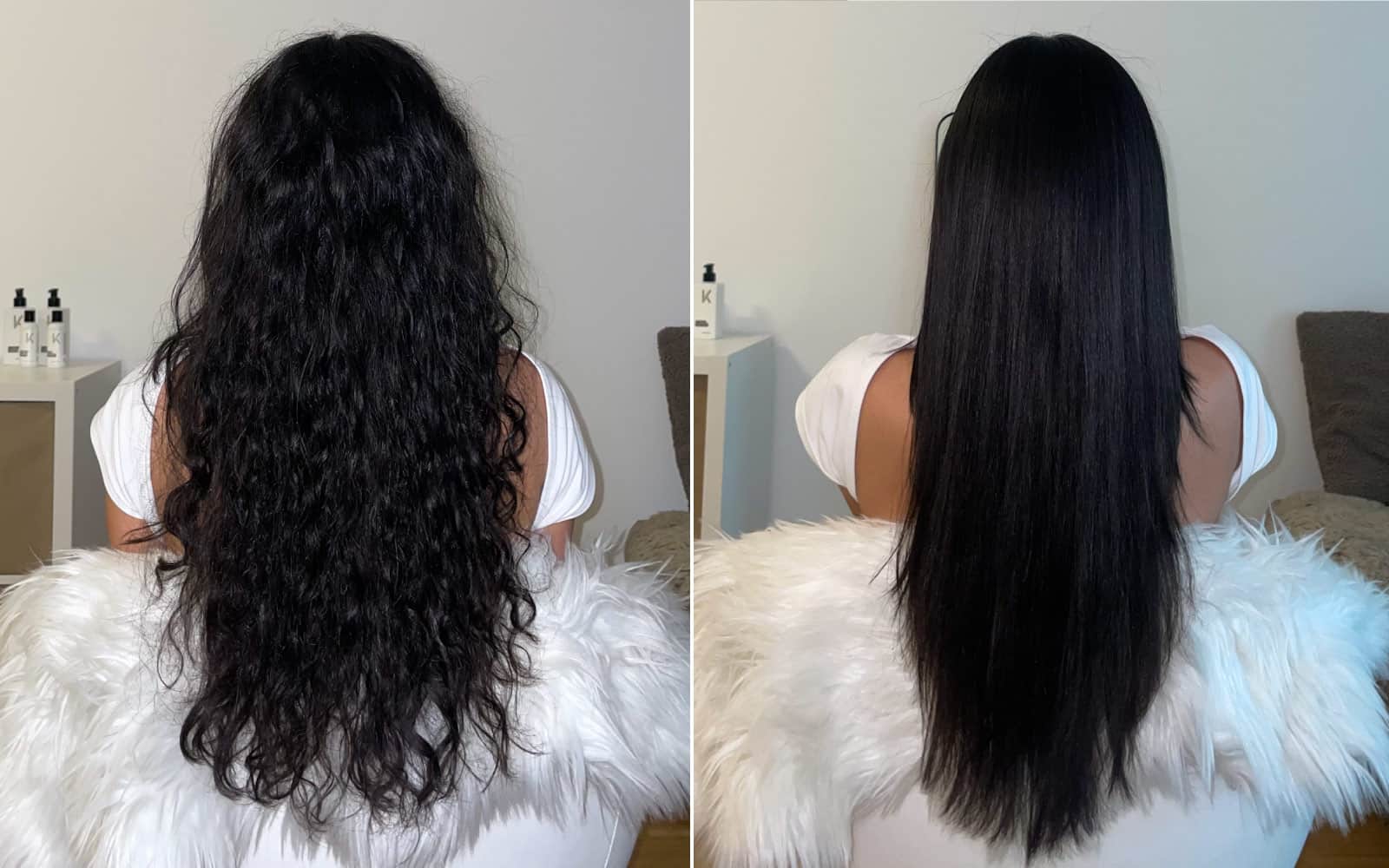
KERAZUL Keratin Treatment: My Honest 3-Month Test (Before & After)
On forums and TikTok, KERAZUL is talked about as a secret weapon against frizz. I tested the complete set — treatment plus AfterCare, so it lasts longer. The starter set with the treatment also works; AfterCare alone does not replace it. Here's my honest before-and-after, including the things that annoyed me.