
Standing Desk for Back Pain: What Actually Helped After Six Weeks of Home Office
For two years my back won every afternoon in the home office. Here is what a height-adjustable standing desk for around 380 euros changed for me – and, honestly, what it didn't.
Advertisement — I may earn a commission if you buy through links here; this is still my honest experience.
 By Michael Berger ·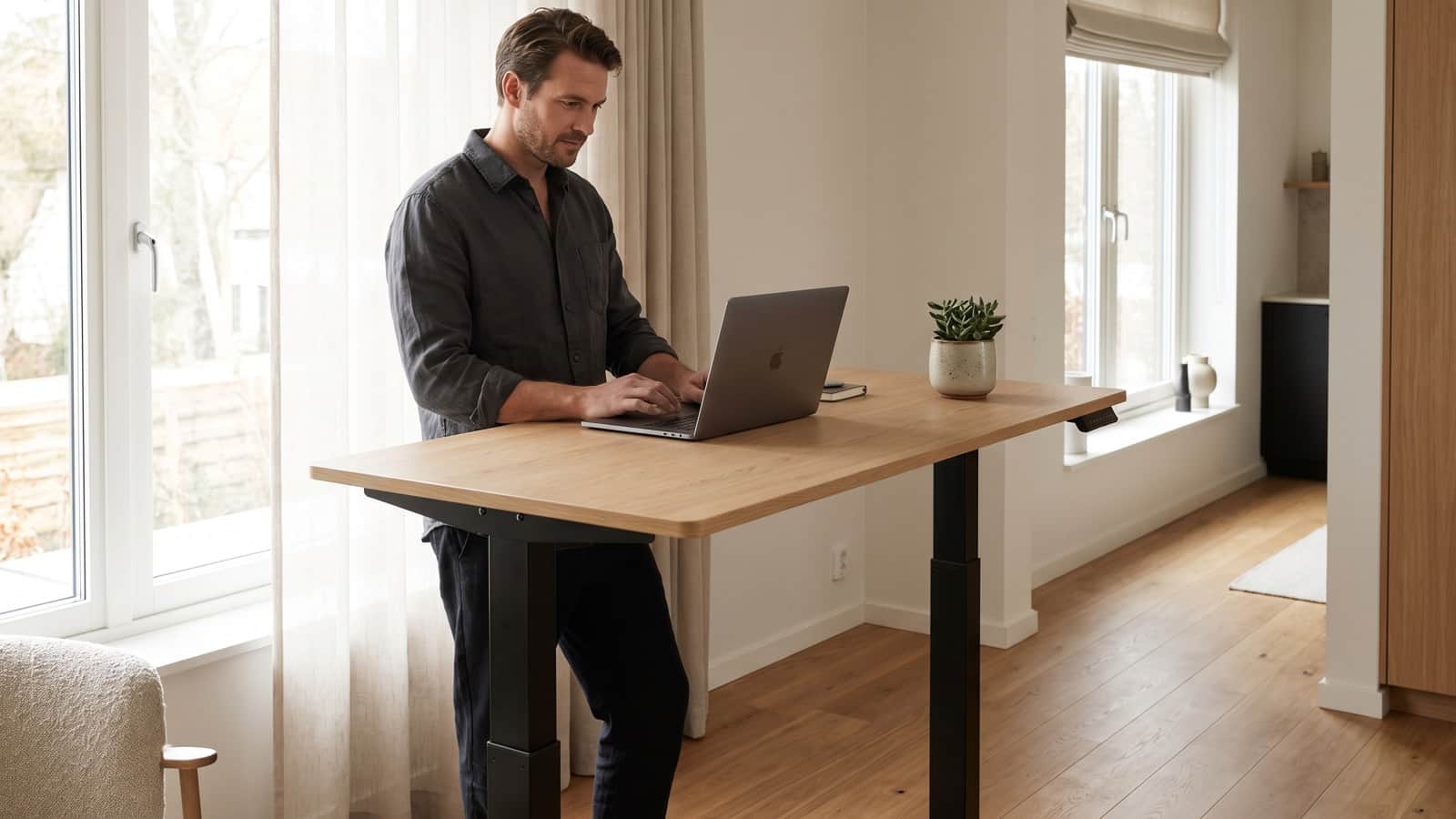
It starts somewhere after three. A dull, pulling pressure low in your back that won't go away no matter how you sit. You slide further down the chair, push your hips forward, stand up for a second and stretch, sit back down – and ten minutes later it's back. Mornings are fine. And then, in the late afternoon, the back wins.
If you know that, you probably know what comes with it: by mid-afternoon you're thinking about your posture instead of your work. The focus goes, the mood follows. That was my home office for two years, every working day.
Quick answer first, because you probably want one: a height-adjustable standing desk noticeably eased that afternoon pressure for me – but not because I now stand all day. The win was alternating between sitting and standing. That's not a medical promise, just what I lived through over a good six weeks.
What a working day looked like before
Eight hours in a chair, most days without a real break in it. Calls in the morning, spreadsheets in the afternoon. From the outside that was just a bit of pressure in my back. From the inside it was a small daily defeat: I genuinely like my job, but from four o'clock on it was all about the sitting.
And by evening I was too wiped out for a lap around the Wöhrder See. Behind all of it sat the bigger question: is this how the next thirty years go? I didn't want to just accept that.
The things I bought before this one
A lumbar cushion slid away all day, no matter how tightly I strapped it on. An 'ergonomic' chair from the furniture store on the edge of town honestly did feel better for the first week – two weeks in I was right back where I started.
After that, pure willpower: a timer every 30 minutes, stand up, stretch, keep going. It worked for three or four days, then I was just dismissing the timer. I'd written down a few physio exercises for the evening; I rarely stuck with them.
What actually shifted things was one sentence. On a call, a colleague mentioned in passing that her back hadn't got better because she stands, but because she stopped being glued to one position for hours. Looking back, that explained why the expensive chairs had failed me. They optimise sitting. My problem was holding still.
My back didn't need better posture. It needed more change.
The sit-stand rhythm I settled on
In week 1 I promptly overdid it – more on that below. From week 2 a rhythm settled in that I've kept ever since: roughly 30 minutes sitting, 30 minutes standing, switched with a double-tap on the memory button between my sitting and standing heights.
In practice a day now looks like this:
- Start the morning sitting, first switch around ten
- After that, swap roughly every half hour – not to the minute
- Calls standing, focused writing sitting
- Tie the switch to meetings rather than to a timer that only annoys you
- One extra standing block in the afternoon, because that's when the pressure used to hit
Two settings I haven't touched since
I set the height so my elbows sit at roughly a right angle – once for sitting, once for standing. The top of the screen is about at eye level. Both heights live on the memory buttons, which is why switching is one button press and not a fiddling session.
Plus one small thing that matters more than it sounds: shift your weight around while standing instead of locking up stiff. The moment I forget that, my lower back speaks up after twenty minutes.
Somewhere in the second week I noticed it properly for the first time. Late afternoon, I was standing mid-call – and the usual pressure simply wasn't there. No miracle, no 'cured.' Just one afternoon where my back wasn't the topic. I hadn't had that in months.
What a normal day feels like six weeks in
On most days I don't think about my back in the afternoon at all anymore. Not every day: on long sitting days with a deadline, when I go hours without touching the button, the pressure comes back. But it's clearly rarer now, and I'm not wiped out in the evening.
What didn't work for me
In week 1 I stood half the day straight, because I finally wanted to use the thing. By evening my feet and lower back ached, and on the Sunday I sat there thinking: did I just spend that money on a new problem? Standing is a load too, just a different one.
So standing all day is not the solution – it only trades one strain for the next. Anyone who sets out to do it stops again after two weeks.
Standing on bare laminate didn't work either. After twenty minutes the soles of my feet went hard and I'd automatically sit back down. Only with a dark grey anti-fatigue mat underneath did I make it through the half hour. Without it I'd probably have quit standing after a week – so factor it in from the start.
And the most honest point: the desk only helps as long as you actually keep switching. It also makes a very good expensive seat if you never press the button. The movement makes the difference, not the furniture – the furniture just makes the movement easy enough to keep up.
What a piece of furniture can't fix
If your plan is to simply stand all day instead, you'll be disappointed. And if you already move around a lot and rarely sit for long stretches, you'll barely feel the difference – this desk solves a heavy-sitter's problem.
One more thing that matters: if your back pain is severe, new, or stubborn, a piece of furniture isn't the answer. That's worth getting checked by a doctor or physio. I'm only describing what helped me as a healthy heavy-sitter.
What the setup cost
I ordered on a Saturday evening, after two evenings of comparing. It ended up being an electric height-adjustable desk with two motors, a matte anthracite top and memory buttons for saved heights: around 380 euros including shipping. No bargain, but the cheap single-motor desks wobbled too often in the reviews.
A few days later two pretty heavy cartons turned up; I could barely get the frame up the stairs on my own. With two of us it was assembled in just under an hour, and the fiddliest part was the screws that hold the top to the frame.
First test: pressed the button, a quiet, even hum – quieter than the fridge in the kitchen – and the top rose smoothly. I leaned on it with both hands and rocked it: at full height there's a bit of sway, but nothing that threatens the coffee cup.
Then there's the anti-fatigue mat. Next to the desk it barely registers on the receipt, but day to day it decides whether I keep standing at all. Just budget for it alongside the desk.
What's left of it after six weeks
Would I spend the money again? In a heartbeat. It's the first thing I bought against my back pain in the home office that still works six weeks later – because it makes switching the easiest option instead of a test of willpower. That's exactly where timers and good intentions had failed me before.
If you try it yourself, look for the two things that made the difference for me: two motors for quiet, stable adjustment, and memory buttons for your sitting and standing heights. Then switching is one button press – not a hurdle you fail at after two weeks.
Frequently asked questions about the standing desk
Does a standing desk really help with back pain in the home office?
For me, yes – but not through the standing itself, rather through the constant switching between sitting and standing. That's what eased my lower back. It's not a cure-all and I can't guarantee anything; I'm only describing my six weeks.
Do I have to stand all day?
Please don't. That was exactly my rookie mistake, and it left my feet and back sore in the evening. I stand roughly half the time, in blocks of about 30 minutes, and sit the rest. The switching is the point, not the amount of standing.
How quickly did I notice a difference?
The first week was actually worse, because I stood too much. I clearly noticed it in the second week, and after that the afternoons were noticeably more relaxed. How fast it goes for you depends mostly on how consistently you actually switch.
Do I really need an anti-fatigue mat?
For me, clearly yes. On hard laminate the soles of my feet got uncomfortable after twenty minutes; with the mat I stand for half an hour easily. It costs little and, for me, decides whether I keep standing at all.
What did the whole thing cost me?
The desk with two motors and memory buttons was around 380 euros including shipping, plus a little for the anti-fatigue mat. With the really cheap dual-motor models I'd be a bit skeptical.
Is a cheap single-motor desk enough, or should it be dual-motor?
I deliberately went with two motors, because the cheap single-motor desks wobble too often in the reviews and adjust more slowly. If switching is annoying or the desk sways, you press the button less often – and then the whole principle gets you nothing.
Who is the desk worth it for – and who not?
Worth it if you sit for many hours straight in a home office and end the afternoon with a stiff back. Less so if you already move around a lot. And with severe or new pain, get it checked by a doctor first before investing in furniture.
Reader experiences
CommentChristian D. · April 2026
After two weeks of switching between sitting and standing my lower back was noticeably more relaxed in the evening. The anti-fatigue mat is a must though, or your feet hurt – like you say.
Yvonne K. · May 2026
Honestly I stand far less often than I planned. The desk is great, but it only works if you actually remember to switch.
You might also like
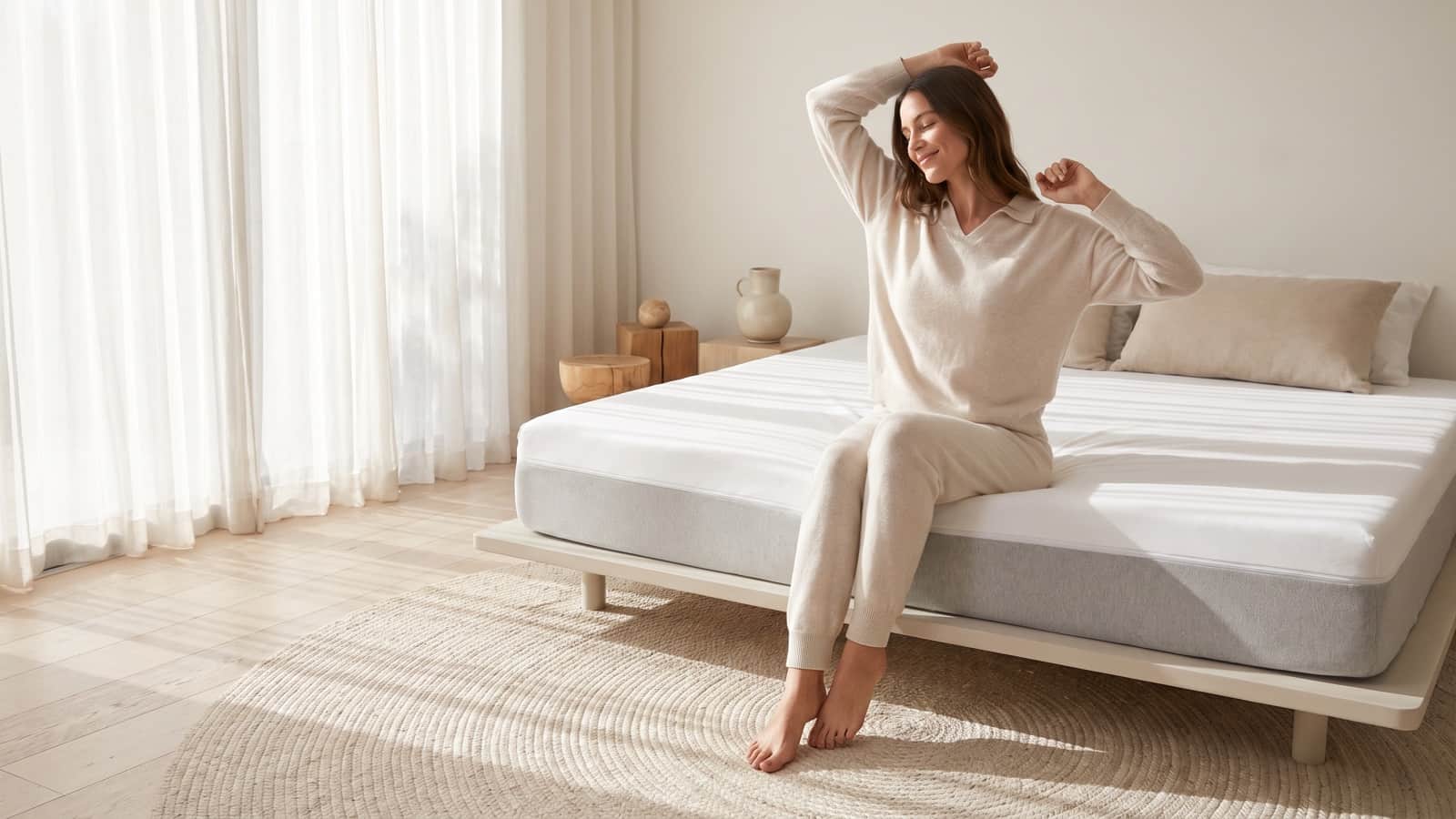
Emma One Review: How I Chose It – and How It Held Up
Eleven tabs, eleven near-identical mattresses. My honest Emma One review: the three criteria I finally decided on, and what's left of it three months later.
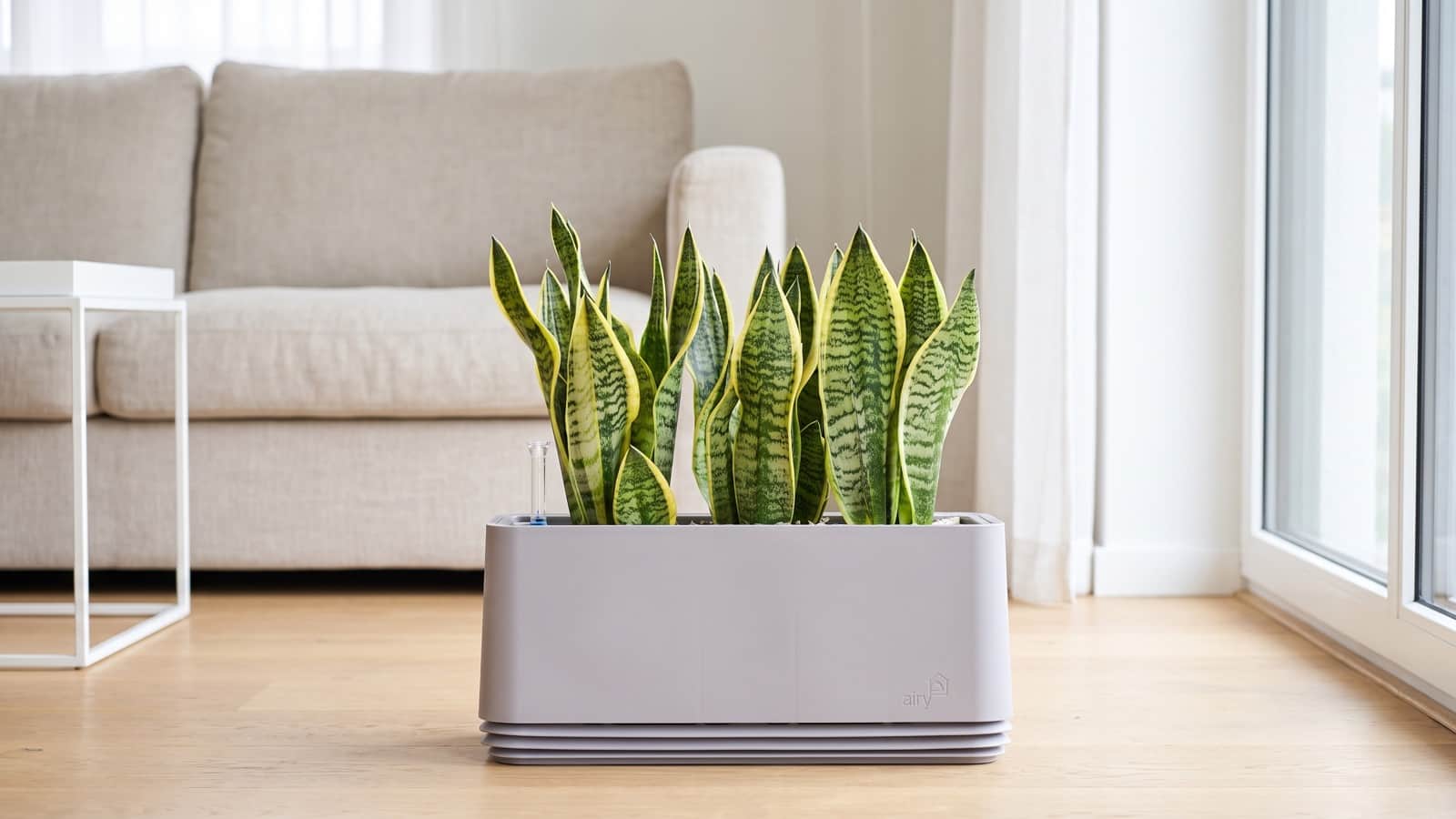
Airy Plant Review: What I Can Actually Observe – and What I Can't
A plant cleans your indoor air – that is, first of all, just a claim. The Airy Box stood next to my bed for three months. Here's what I genuinely noticed, what I can't prove, and what the planter costs.
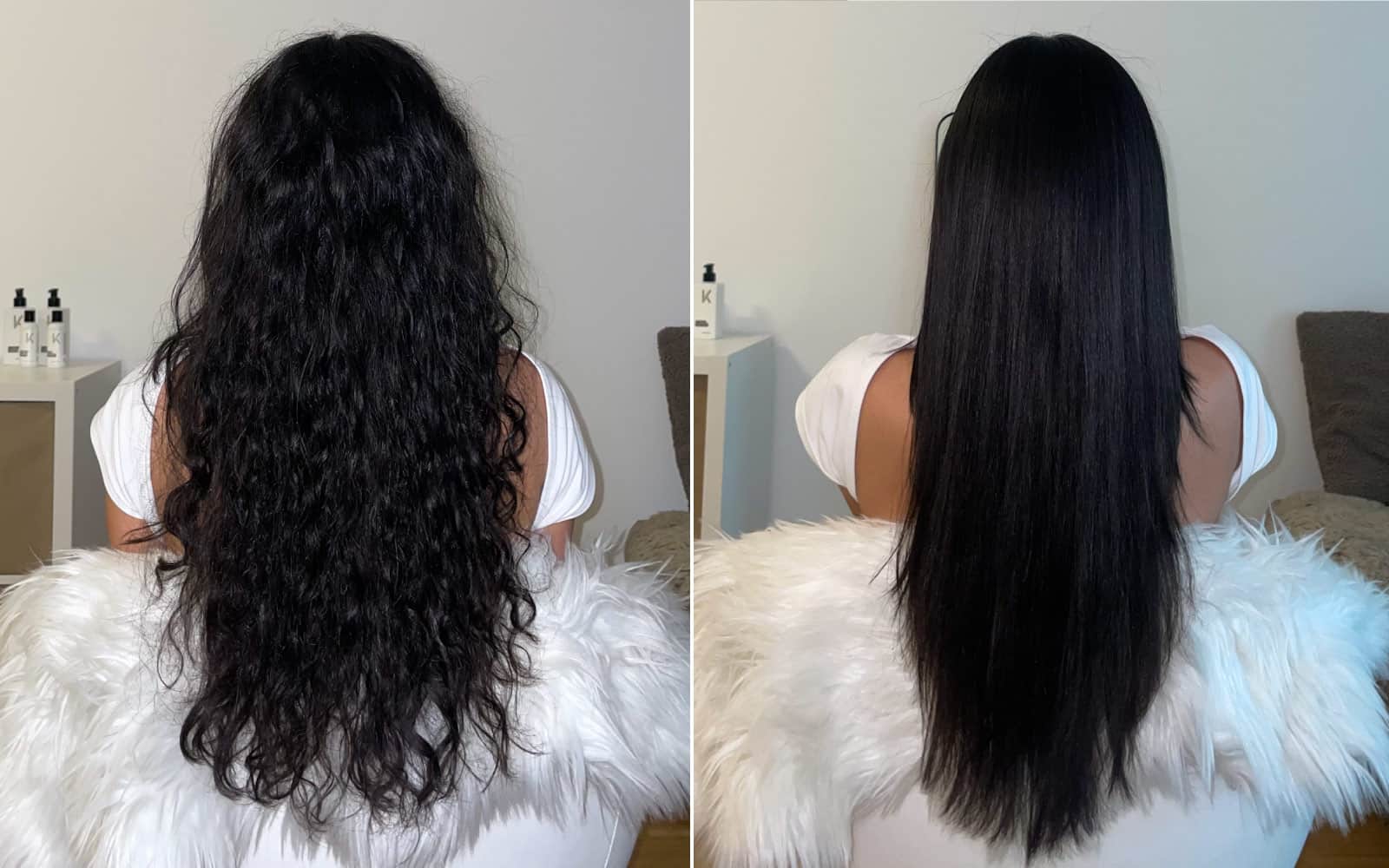
KERAZUL Keratin Treatment: My Honest 3-Month Test (Before & After)
On forums and TikTok, KERAZUL is talked about as a secret weapon against frizz. I tested the complete set — treatment plus AfterCare, so it lasts longer. The starter set with the treatment also works; AfterCare alone does not replace it. Here's my honest before-and-after, including the things that annoyed me.