
Emma One Review: How I Chose It – and How It Held Up
Eleven tabs, eleven near-identical mattresses. My honest Emma One review: the three criteria I finally decided on, and what's left of it three months later.
Advertisement — I may earn a commission if you buy through links here; this is still my honest experience.
 By Nina Hoffmann ·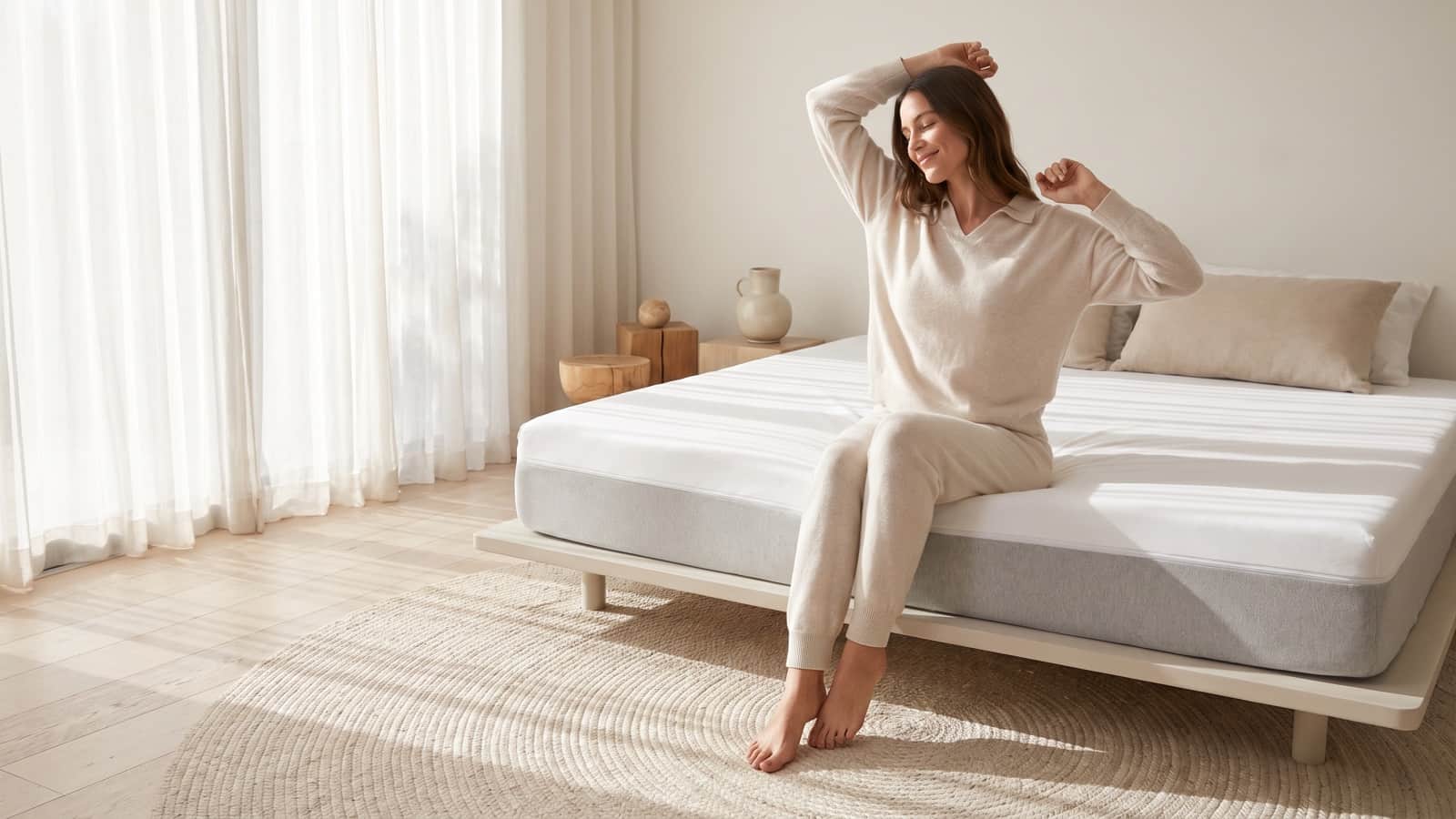
At some point I had eleven tabs open, and every one of them said roughly the same thing. Cold foam. Medium-firm. 100 nights to try it. A test win somewhere. The product photos looked like the same image cropped eleven slightly different ways, the ratings all sat between 4.3 and 4.6 stars, and the longer I compared, the less I could have told you what actually separated them.
If you're looking for an honest Emma One review right now, you're probably stuck in exactly that phase. Not stuck on the money – stuck on the decision. What got me out wasn't another review site. It was the moment I stopped comparing mattresses and started writing down my own criteria instead. Three of them, in the end.
The reason for the whole search: for over a year I'd been getting up with a dull pressure between my shoulder blades. After eight hours of sleep, sometimes nine on days off. My neck felt stiffer in the morning than it had the evening before, as if I'd been working in my sleep instead of recovering. And the frustrating part wasn't the tiredness, it was the quiet sense of doing something wrong while doing everything right.
The mattress was the last thing I suspected. Everything else came first, and each one left something missing:
- An expensive orthopedic neck pillow – helped the first week, then the old pressure came back.
- Magnesium in the evening – subjectively calming, but the morning stiffness stayed.
- Stretching before bed – well-meant, lasted three days.
- Simply going to bed earlier – more hours, exactly the same tension.
None of it touched the surface I was lying on. Which is also why all eleven tabs looked identical later: I didn't know what I was looking for. The criteria had to come first.
Criterion one: firmness by sleeping position, not by gut feeling
Before deciding anything else, I worked out how I actually lie. I alternate between my back and my side, never my stomach. For that mix, medium-firm is the obvious compromise: firm enough that the hips don't dip, soft enough that the shoulder can sink in when you're on your side. Not a great insight, but it cut eleven options down to a handful immediately.
One more thing helped. I lay down on my old mattress and pressed into the middle with my flat hand. There was a hollow my hand simply sank into, like a hammock. It was the first time I'd felt it consciously – and I understood that I didn't need a softer mattress, I needed one that carried me at all. Do that once at home and you'll know far better which direction to search in.
Criterion two: reading the 100 nights as risk cover
The 100-night home trial was mentioned by nearly every brand, and for a long time I'd written it off as a marketing line. Wrong. It turned out to be my single most important criterion, because it changes the kind of decision you're making: without it you irreversibly buy a mattress you lay on for ten minutes in a shop. With it, you test it for weeks in your own life and can send it back.
From that point on I stopped comparing. If the wrong choice costs a few weeks of discomfort rather than lost money, you don't have to find the perfect mattress – only a plausible one. That took the whole thing from a research project back to being an experiment.
Criterion three: the ceiling I set before looking at prices
My third rule was a budget ceiling I fixed before I looked at a single price. Anything above it would have needed a reason I could name out loud, and I didn't have one. In the end I got the medium-firm Emma One in the winter sale for around 499 euros. Emma discounts its models very often, so I'd never pay the full list price and would wait for one of the regular promotions instead.
Together the three criteria left exactly one model standing. Not because the Emma One is advertised everywhere, but because it's medium-firm, comes with a 100-night return window, and sat under my ceiling in the sale. Set different criteria and you'll probably land somewhere else – which is entirely fine.
What I deliberately refused to treat as a criterion
Test-winner badges, for a start. Almost every model had one, from some year, awarded by some institute. Same for the detailed descriptions of the foam layers: I can't tell from reading whether three zones beat seven, so I didn't pretend I could.
I ignored the star ratings too. The gap between 4.3 and 4.6 isn't information, it's noise. What I did read were only the bad reviews, because at least those tell you what specifically goes wrong. Two things came up over and over: the smell and the firmness. I ended up experiencing both.
Nights one to three: the smell and a brief scare
Three days after ordering, a surprisingly heavy, narrow box was standing in the hallway – one I could barely get up the stairs on my own. The mattress arrives rolled and vacuum-packed: put the roll on the bed frame, cut the film open, and it unfolds in front of you with a soft hiss. The grey cover unzips all the way around and washes, which I tried once after the first week.
And then it smelled. For the first three or four days there was a sweetish chemical new smell in the bedroom, that typical fresh-foam aroma. I aired it out with the window open for two days before I slept on it the first time, and after about a week it was completely gone. Temporary – but if you're sensitive to smells, plan for it and don't expect to sleep on it the day it arrives.
The second thing came on the very first night: it felt distinctly firmer than the words "medium-firm" had led me to expect. The top layer gives softly, but underneath there's resistance right away. I lay there and briefly thought: this was a mistake.
The first two nights were unfamiliar accordingly. I tossed and turned, couldn't find my position, woke up once with exactly the same old neck pressure, and was about ready to write the whole thing off. That's precisely where I'd have decided badly without a return window behind me – which is to say, immediately.
Nights four to fourteen: the break-in nobody talks about
Around night four it turned. The foam grew more pliable, or my body adjusted, probably both. They say the Emma One needs about two weeks to settle in, and that's exactly how it went for me. It's the part you won't find in any product description, even though it decides the whole verdict.
After a good two weeks the morning neck pressure was clearly weaker. Not gone entirely, but no longer the first thought of my day. My back lay noticeably straighter, because the hollow in the middle simply wasn't there. I noticed it too in waking up less often to turn over.
It wasn't more hours in bed that changed my mornings – it was the surface underneath me.
Three months on: what stuck
I'm writing this a good three months after unboxing. A few nights of the trial period are left, and I'm definitely not sending it back. What matters more to me than the initial effect is that it held: this wasn't first-week novelty, it's a state I've grown so used to that I barely notice it anymore.
One thing did come up over the months, though. In an old Berlin apartment without air conditioning, the first warm nights were honestly a touch too warm – foam holds more heat than an innerspring. A cooler cover makes it bearable for me, but if you sleep hot, factor that in from the start.
Where it runs into its limits
I saw this most clearly when my much heavier brother slept on it for a night. He sank in deeper than is good and woke up in exactly the sagging position I'd gotten rid of. For very heavy people the Emma One can become too soft; if you're heavily built, a firmer version is probably the smarter choice.
If you like it really soft and sleep on your stomach, medium-firm may well feel too taut – the same firmness that helps me would most likely bother you.
And the most important caveat: if your sleep problem is really stress or a rhythm that's out of sync, no mattress solves that alone, not this one either. In my case the sagged-out base was the main cause. In yours it might sit somewhere else, and then a new mattress is only part of the answer.
Who this decision actually pays off for
The people who gain most are back or side sleepers of average build lying on a sagged-out mattress, waking up tense, and willing to genuinely stick out the first two weeks before judging. For that combination the medium-firm Emma One is the most honest first try I know: affordable in a sale, and with 100 nights in which nothing locks you into the decision.
If you're very heavy, sleep hot, or like it distinctly soft, reach for a firmer or softer version instead – honest is honest. Would I decide the same way again with those three criteria? Without hesitating. Not because the mattress is perfect, but because the return window meant the decision was never risky in the first place.
Frequently asked questions about the Emma One
How firm is the Emma One – too firm or too soft?
It's rated medium-firm, and that's exactly how I experience it. In the first nights it actually felt firmer to me than expected; after about two weeks the feel settled. For back and side sleepers it was a good compromise; if you like it very soft, it'll probably feel too taut.
How long does the break-in really take?
For me the first two to four nights were unfamiliar, and only after around two weeks did the Emma One feel natural. So don't pass judgment after the first night – that's exactly what the 100-night home trial is for. That's my experience, not a guarantee.
Does the Emma One smell after unboxing?
Yes, mine did. The first three or four days there was a sweetish chemical new smell in the room. I aired it out with the window open for two days before sleeping on it, and after about a week there was nothing left of it. For people who are very sensitive to smells, it's still worth mentioning.
Why do I sleep badly despite enough hours?
Enough hours in bed doesn't automatically mean restful sleep – I learned that through my own neck. For me a sagging mattress was the cause: my spine dipped all night and the muscles worked against it. If your base is older than seven or eight years, I'd look there first.
How does the 100-night home trial work?
You order it to your home, sleep on it for up to 100 nights, and can return it within that window if it doesn't suit you. That's exactly what made the decision easy for me: instead of lying on it for ten minutes in a shop, I could test it over weeks in everyday life – and only pass an honest judgment after breaking it in. I'm keeping mine.
What does the Emma One cost, and is buying in a sale worth it?
I paid around 499 euros in the winter sale. Emma discounts its models very often, so I'd never pay the full list price and would wait for one of the regular promotions instead. For a mattress I could test at home for 100 nights, I found it fairly invested.
Who is the Emma One not for?
In my view, for very heavy people, who may find it gets too soft, and for stomach sleepers who like it very soft and find medium-firm too taut. If you sleep hot, factor in that foam stores more heat. And if your sleep problem is more about stress or rhythm, this mattress won't solve it alone either; with serious back issues I'd check with a doctor first about what makes sense.
Reader experiences
CommentDaniela G. · May 2026
The first nights it smelled chemical and felt firmer than expected. After a good two weeks that was gone and I sleep noticeably better. The 100-night trial takes the pressure off.
Ralf M. · June 2026
I'm on the heavier side and it's a touch too soft for me. For my wife it's perfect – so it really depends on the person, like you say.
You might also like
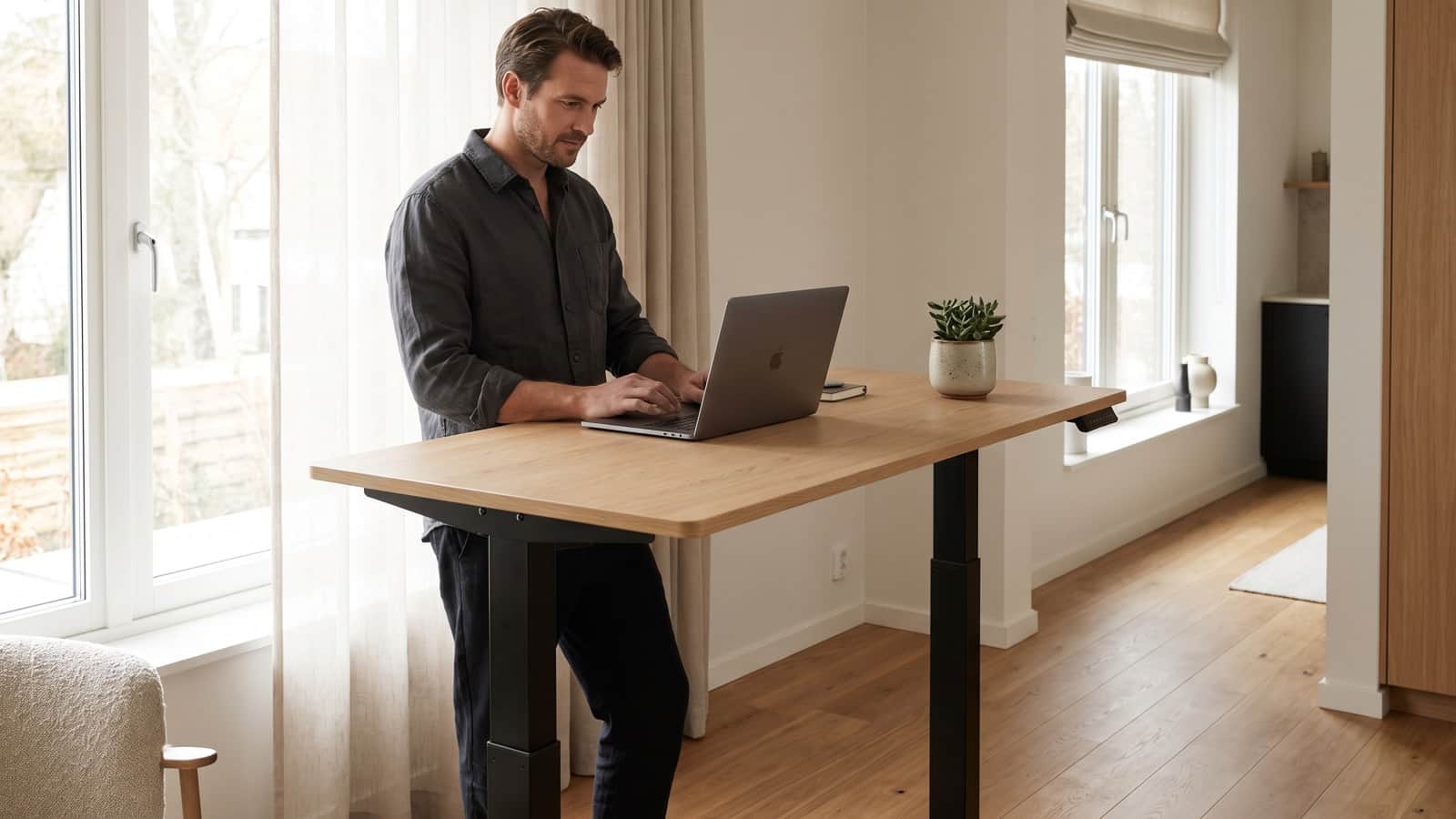
Standing Desk for Back Pain: What Actually Helped After Six Weeks of Home Office
For two years my back won every afternoon in the home office. Here is what a height-adjustable standing desk for around 380 euros changed for me – and, honestly, what it didn't.
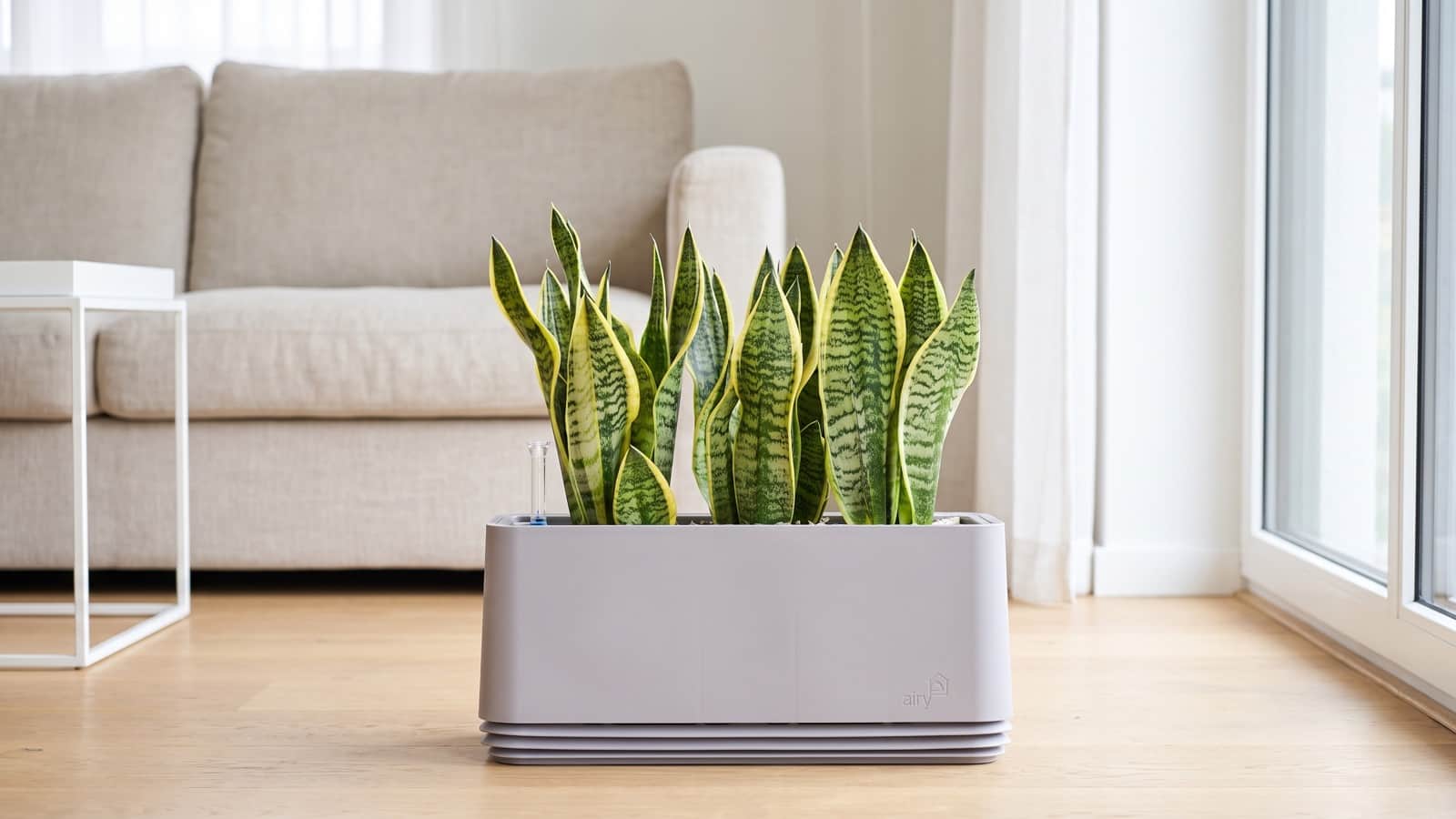
Airy Plant Review: What I Can Actually Observe – and What I Can't
A plant cleans your indoor air – that is, first of all, just a claim. The Airy Box stood next to my bed for three months. Here's what I genuinely noticed, what I can't prove, and what the planter costs.
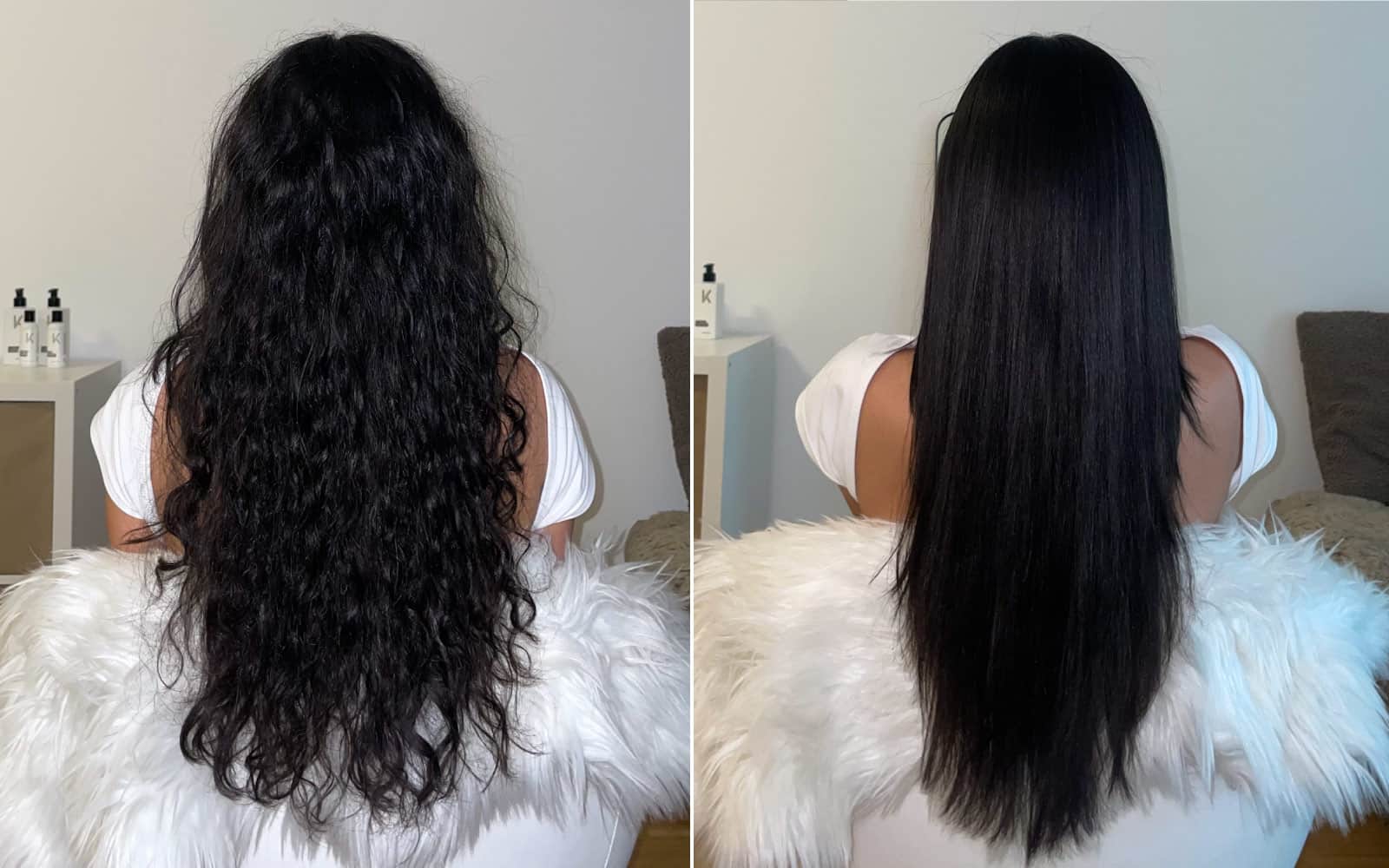
KERAZUL Keratin Treatment: My Honest 3-Month Test (Before & After)
On forums and TikTok, KERAZUL is talked about as a secret weapon against frizz. I tested the complete set — treatment plus AfterCare, so it lasts longer. The starter set with the treatment also works; AfterCare alone does not replace it. Here's my honest before-and-after, including the things that annoyed me.